When Is the Best Time to See the Northern Lights in Senja?
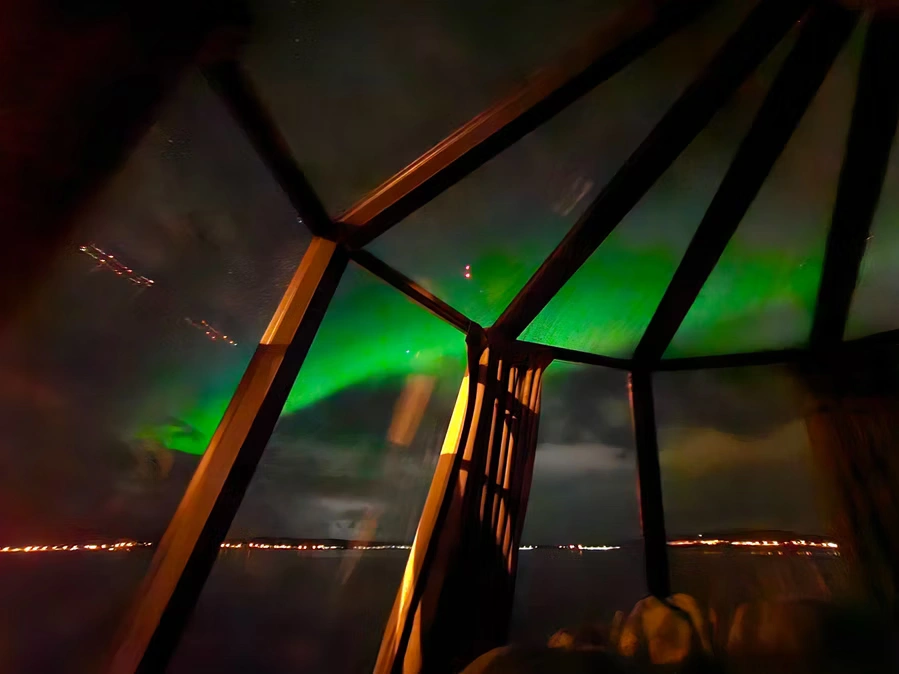
Many people planning a trip to Northern Norway ask the same question: When is the best time to see the Northern Lights in Senja? It’s easy to understand why. Senja combines dramatic landscapes, dark Arctic nights and excellent conditions for experiencing one of nature’s most spectacular phenomena.
Increasing your chances of seeing the Northern Lights is not just about traveling to the right destination. It also means choosing the right season, keeping an eye on the weather and staying somewhere that makes it easy to head outside when the skies suddenly clear. That’s exactly why Senja has become an increasingly popular destination for both Norwegian and international travellers dreaming of Arctic nights.
What Actually Determines Your Chances of Seeing the Northern Lights?
The Northern Lights occur when charged particles from the sun collide with Earth’s atmosphere. However, even strong solar activity does not guarantee a visible display. For the aurora to appear, it must be dark enough, the sky needs to be clear, and you should ideally be in an area with very little artificial light.
Senja has excellent natural conditions because the island is located well above the Arctic Circle and offers many areas with minimal light pollution. However, the weather is always the deciding factor. Thick cloud cover can hide the entire display, while moonlight and nearby artificial lighting may reduce the intensity and visibility of the aurora.
For this reason, flexibility is essential when planning your trip. Travelers who allow several nights and are willing to adapt to changing conditions generally have a much better chance of seeing the Northern Lights than those hoping for perfect conditions on a single evening.
The Best Season to See the Northern Lights in Senja
The short answer is that the best season usually runs from September through March, sometimes extending into early April. During this period, the nights are dark enough for the aurora to become visible, making it the ideal time for anyone traveling primarily to experience the Northern Lights.
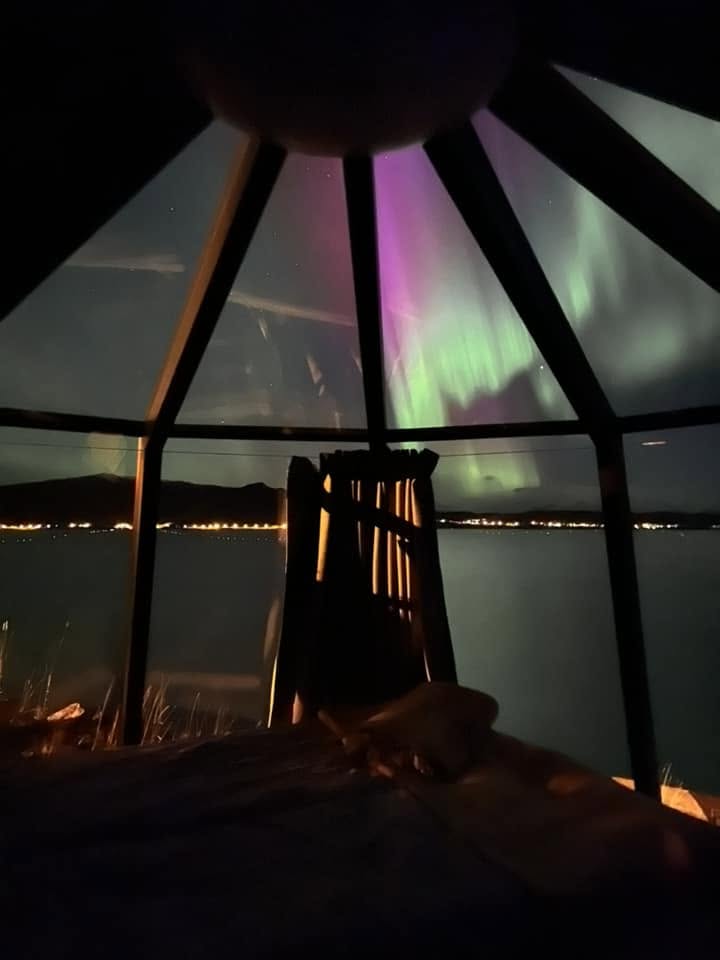
Autumn is often an excellent choice. September and October typically offer milder temperatures than midwinter while still providing long, dark evenings after the summer season. Many visitors enjoy this time of year because it combines Northern Lights hunting with hiking, photography and peaceful days exploring the landscape.
From November through February, the nights become long and the true Arctic winter atmosphere takes over. Snow-covered mountains and dramatic coastal scenery create a spectacular backdrop for the Northern Lights. For many travelers, this is the classic Northern Lights experience, where darkness and silence make the moment even more memorable.
Late winter and early spring, particularly February and March, are also considered among the best months to visit. The nights remain sufficiently dark, while weather conditions can sometimes be more stable than during the coldest part of winter. For many visitors, this creates an ideal balance between comfort, accessibility and the likelihood of clear skies.
What Time of Night Is Best?
In theory, the Northern Lights can appear at any time after darkness falls. However, the most common viewing hours are typically from early evening until well after midnight. Many displays begin around 6:00 PM, while others reach their peak closer to midnight.
Rather than focusing on one specific time, it’s best to stay prepared throughout the evening. If the forecast predicts clear skies and aurora activity looks promising, keep checking the conditions regularly.
On Senja, the weather can change quickly. An evening that begins with complete cloud cover can unexpectedly clear, creating perfect viewing conditions.
Senja is located in Troms County and is widely regarded as one of the best places in Northern Norway to experience the Northern Lights. For this reason, many travelers choose accommodation in Troms as a convenient base for exploring Senja and the surrounding region.
Where on Senja Are the Chances Best?
One of Senja’s greatest advantages is its many dark locations free from city lights. Open landscapes, coastal viewpoints and elevated areas with unobstructed views of the sky often provide excellent conditions when the weather cooperates. This combination of minimal light pollution and dramatic scenery is exactly what makes the island so attractive to Northern Lights travelers.
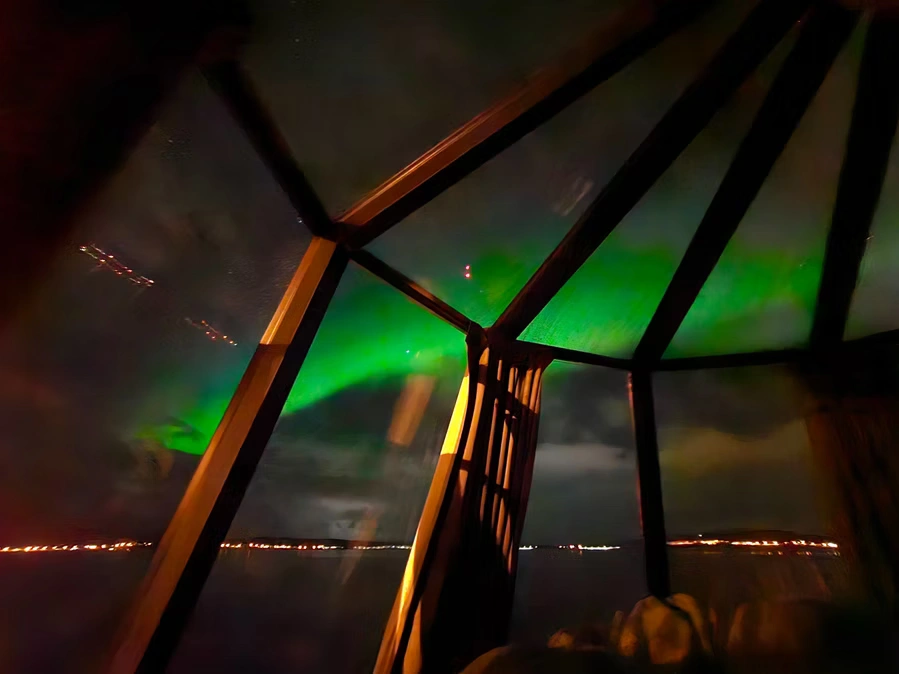
The mountains, fjords and coastline also provide a stunning backdrop for both the experience itself and for photography. Many visitors want more than simply seeing the Northern Lights—they want to experience them in breathtaking surroundings. On Senja, you can often enjoy both at the same time.
Local knowledge also plays an important role.
Cloud cover and wind direction can vary significantly across different parts of the island, and one location may enjoy clear skies while another remains completely overcast. Staying somewhere with knowledgeable local hosts can therefore be a real advantage, as they may be able to recommend the best areas to visit as conditions change throughout the evening.
Your Accommodation Matters More Than You Might Think
If seeing the Northern Lights is the main purpose of your trip, choosing the right accommodation is just as important as choosing the right destination. A peaceful location with minimal light pollution and easy access to outdoor areas can make a significant difference. When the sky suddenly clears, you don’t want to spend valuable time driving long distances.
Many travelers underestimate how important it is to have a base that’s well suited for Northern Lights viewing. The aurora follows no schedule, and it’s not unusual to head outside several times during the same evening. The experience becomes much more enjoyable when nature and dark skies are literally just outside your door.
For travelers looking for a private and comfortable base in the region, Villa Aurora in Troms for Couples and Small Groups is well worth considering. For those traveling together and looking for space, privacy and flexibility, choosing the right accommodation can make a significant difference to the overall Northern Lights experience.
Stay Long Enough to Improve Your Chances
The safest recommendation is to stay at least two to four nights if seeing the Northern Lights is your main goal. Even during peak season, there is never a guarantee of clear skies or strong aurora activity every evening. Simply put, the more nights you spend in the region, the greater your chances of experiencing favorable weather and solar activity.
This is often the most realistic answer for anyone wondering when the best time is to see the Northern Lights in Senja. It’s not only about choosing the right month—it is also about giving nature enough time to deliver.
How to Increase Your Chances
There is no guaranteed formula for seeing the Northern Lights, but a few decisions can significantly improve your odds.
First and foremost, travel during the right season and monitor weather forecasts carefully. Clear skies are often more important than an impressive aurora forecast because even strong solar activity cannot be seen through thick cloud cover.
It’s also wise to follow both cloud forecasts and aurora forecasts together.
Many travelers use weather maps and dedicated aurora apps to identify the most promising viewing times. Conditions can vary greatly across Senja, so being willing to relocate if another part of the island offers clearer skies can make all the difference.
Dressing appropriately is equally important. Northern Lights viewing often involves standing outside in cold temperatures for extended periods. Warm boots, windproof outerwear and multiple insulating layers will help you stay comfortable long enough for the show to begin.
Senja Offers More Than Just the Northern Lights
Although the Northern Lights are the main reason many visitors travel here, it’s the complete experience that makes Senja truly unforgettable. The island features dramatic mountains rising straight from the sea, charming fishing villages, peaceful coastal scenery and spectacular viewpoints that are just as impressive during daylight.
For many travelers, it’s the combination of adventure and relaxation that makes Senja so appealing. Spend your days exploring nature, photographing the landscapes, driving scenic routes or simply enjoying the quiet surroundings, then be ready when darkness falls. In this way, Northern Lights hunting becomes part of a much richer Arctic experience rather than the sole purpose of the trip.
The Best Advice for First-Time Visitors
If this is your first trip to Senja, the best advice is to visit between September and March, ideally allowing yourself several nights in the region. Choose accommodation in peaceful surroundings with dark skies, monitor both weather forecasts and aurora predictions, and remain flexible throughout your stay.
The Northern Lights are, and always will be, a natural phenomenon that cannot be scheduled. That unpredictability is exactly what makes the experience so extraordinary. When the conditions align and the sky above Senja fills with dancing ribbons of green light, it becomes a memory that stays with you long after your journey has ended.